
Last updated November 20, 2026
Snapshot
- To learn how to rest means recognizing that sleep is only one kind of downtime, since the mind and senses need breaks of their own.
- Physician Saundra Dalton-Smith notes that eight hours of sleep doesn’t guarantee you’re well rested, and a rest deficit can creep in when other kinds of downtime get skipped.
- The Retreat Costa Rica’s five-night Art of Resting program, on a mountainside overlooking the Gulf of Nicoya, gives guests the space and support to switch off.
- The program includes pranayama breathwork and sound healing sessions, and guests can always opt out and simply do nothing.
- Owner Diana Stobo recommends a few retreats a year so restful habits stick once guests return to everyday life.
When was the last time you did absolutely nothing?
Not reading a book, scrolling through your phone or catching up on emails. Just breathing and letting the hours pass without feeling the need to accomplish something. If you’re trying to learn how to rest, this might be a good place to start.
For many of us, that’s surprisingly difficult. We’re conditioned to stay busy, make the most of every minute and treat downtime as something we have to earn. Even vacations can become another exercise in productivity, with packed itineraries and pressure to see and do it all.
Does this sound like you? “I have too much to do.” “I’ll answer just one more email before I close up shop for the day.” “I’m on deadline. I really can’t stop now.”
It’s easy to make excuses to avoid a much-needed break while you hammer away at your keyboard and head down that rabbit hole of more. But we can’t keep on keeping on. Our brains need a recess, and our bodies need time to recover.
So what if the best thing you could do on your next getaway was nothing at all?
As interest in restorative travel grows, more wellness experiences are making room for unstructured time, genuine relaxation and the freedom to follow your own pace. At The Retreat Costa Rica, the Art of Resting program takes that idea a step further, giving guests the space and support to rediscover what it feels like to switch off.
Rest Is More Than a Good Night’s Sleep


Ironically, many of us think we know how to rest, equating it with a good night’s sleep. Not to burst anyone’s bubble… we’ve got it all wrong. Sleep is essential, of course, but it’s not the only form of rest our bodies and minds need.
In her TED Ideas post, Dr. Saundra Dalton-Smith explains that getting eight hours of sleep doesn’t necessarily mean we’re well-rested. We can still experience a rest deficit when we’re not giving ourselves the other kinds of downtime we need.
So what do you do when you don’t understand something? You learn it.
Rest can take many forms. Physical rest gives our bodies a chance to recover. Mental rest helps quiet the constant chatter in our heads. Sensory rest means stepping away from the screens, notifications and noise competing for our attention. Creative and emotional rest matter, too.
The trick is recognizing what kind of rest you’re missing. Sometimes you need a nap. Other times, you need to put your phone down, take a walk in nature or sit somewhere without having to be anywhere else.
Resting Is Truly an Art

Perched on a vibrational quartz crystal mountainside with sweeping views of the Gulf of Nicoya, The Retreat Costa Rica is a luxury wellness boutique resort designed around restoration. Their five-night Art of Resting program takes a practical approach to something many of us have forgotten how to do: stop.
Guests have time to unwind while exploring simple, personalized ways to make rest a more regular part of life, even after they return home. Getting proper rest is becoming something of an art. And sleep and rest aren’t quite the same thing, explains Diana Stobo, creator and owner of The Retreat Costa Rica.
Rest allows people to rediscover their true nature by eliminating the busy-ness of their lives.
“Rest has a broad spectrum of positive influence on your health; it is more inclined to increase mental and physical well-being by stopping activity,” says Diana. “Sleep, on the other hand, is a general reset of all things. Sleep allows the body to detox, release and restart.”
Resting can help eliminate oxidative stress from “doing” and allow the art of “being,” which is a very elusive definition. Rest can help restore a sense of calm and surrender, igniting overall well-being. Rest can also pave the way to a better night’s sleep.
Can You Learn How to Rest?


Absolutely. But if you’re used to being busy, switching off doesn’t always happen the moment you check into a resort. Sometimes it takes a few days to stop thinking about everything waiting for you back home.
Diana sees a shift as a guest’s stay unfolds. Many arrive after five days of travel or a packed schedule, and the change can be noticeable.
“It’s typical to see guests arrive on day one stressed, hurried, panicked and excited. On day two, they begin to let go of expectations, the agenda and themselves. Day three is always a big turning point, as they begin to relax and dive deep inside themselves. And finally, on day four, they surrender to the day as it unfolds. Day five, nobody wants to leave,” says Diana.
The Retreat Costa Rica builds in plenty of respite and rejuvenation into the Art of Resting retreat, including pranayama sessions with the resort’s Ayurveda doctor, sound healing and aromatherapy treatments.
Guests stay in luxurious accommodations overlooking Costa Rica’s lush tropical landscape. The program opens with a one-on-one welcome consultation and includes eight signature spa and healing therapies, along with twice-daily yoga. Three anti-inflammatory organic meals fuel each day, and guests can roll up their sleeves at a wellness cooking class or sample rare teas at a guided tasting.
The activities offer ways to explore rest, but the point isn’t to turn relaxation into another packed itinerary. There’s always room to opt out, take a slower morning or do absolutely nothing. And that may be the most useful lesson of all.


Rest Is in the Details
Diana says each element of the Art of Resting program has been carefully selected to encourage guests to slow down and reconnect with themselves. That starts with the setting. The Retreat sits on a quartz-rich mountain, central to the resort’s philosophy and its emphasis on creating a restorative environment.
Guests also learn pranayama, a yogic breathing practice, with the resort’s Ayurveda doctor. The sessions introduce simple breathing techniques that help calm the mind and ease tension. Another treatment is an Ayurvedic cranial massage using a Kansa wand to work on marma points—specific energy points recognized in Ayurvedic tradition—to soothe and release tension.
Sound Healing, Aromatherapy & Crystals
The Art of Resting program also introduces guests to a range of restorative therapies. Sound healing offers an opportunity to unwind through soothing sounds and vibrations, while aromatherapy incorporates plant-based oils and aromatic extracts into treatments. The Retreat also draws on crystal traditions as part of its holistic approach to well-being.
Adjacent to the main house, Vida Mia Spa provides a peaceful setting for these experiences. Treatment rooms are named after indigenous healing crystals and feature open-air designs or large windows that bring the surrounding landscape into view.

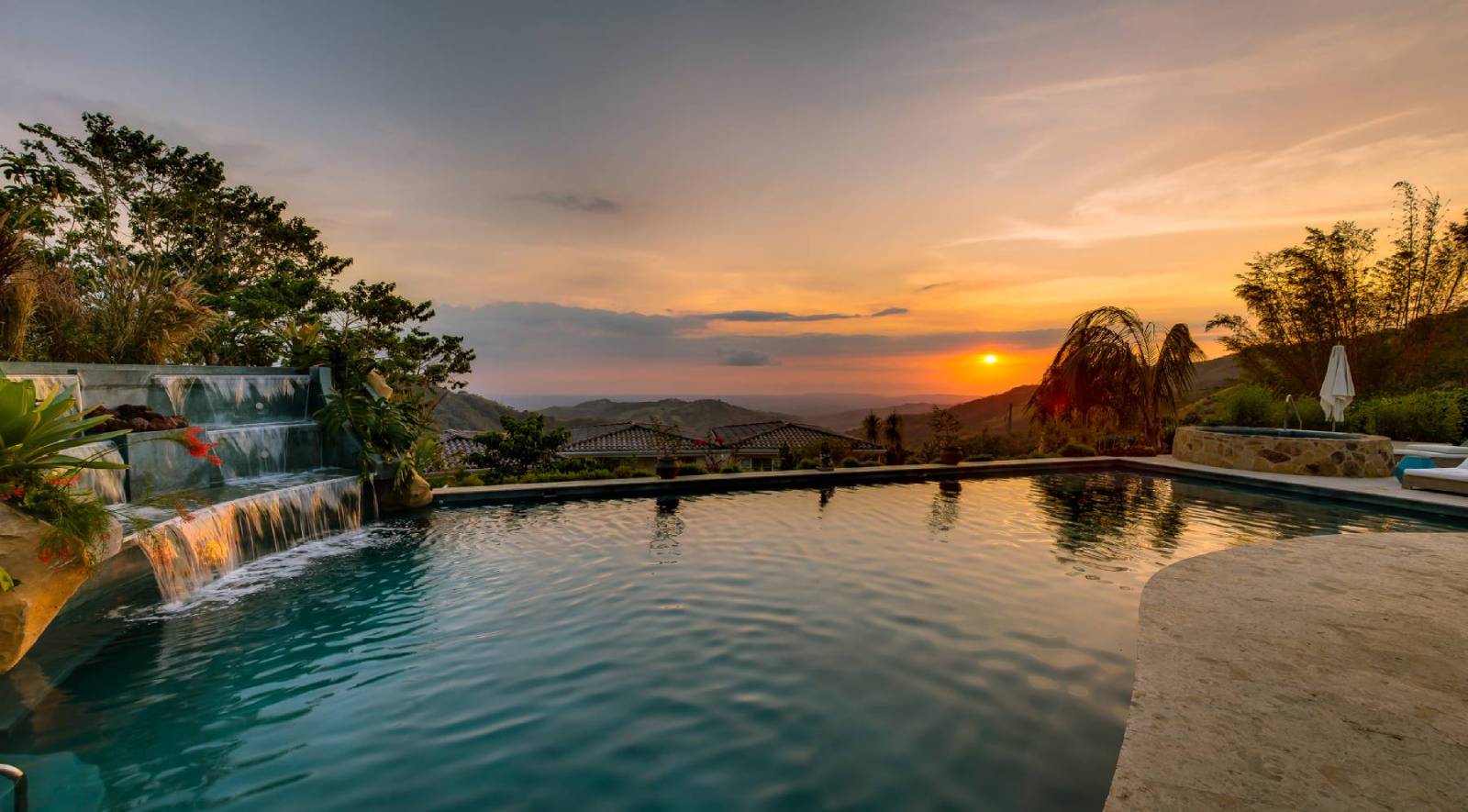
The spa combines organic ingredients, traditional therapies and the resort’s philosophy around the four elements: earth, water, air and fire. Its approach brings relaxation, beauty and hands-on treatments in an environment designed to encourage guests to slow down.
The Retreat grows and cultivates medicinal herbs for its wellness practices. The herbs are used to make scrubs, tinctures, oil infusions and creams for treatments at The Apothecary, which also hosts educational events.
The Learn How to Rest Test
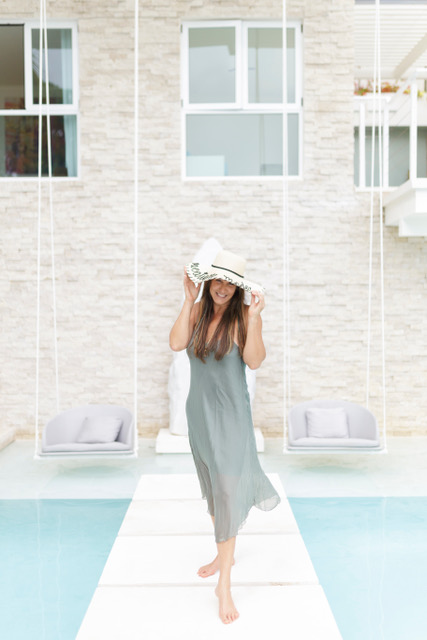

The big question remains: how do guests hold on to what they’ve learned about rest once you’re back home, facing the daily hustle-bustle?
Diana is realistic and says there is no guarantee a guest won’t re-emerge into “real life” with some old habits.
“This is why we recommend a retreat a few times a year. To bring new and more balanced information into their mental and emotional awareness that becomes habitual,” says Diana.
The goal, she explains, is to reach a point where rest doesn’t feel like something only possible on vacation. “Eventually, people begin to remember what it feels like to be in a restful state even when things are challenging and they can access that feeling at will.”
The beauty of a dedicated retreat is having the time and space to step away from everyday demands and give rest your full attention. At The Retreat Costa Rica, five days of thoughtful experiences, restorative therapies and unhurried time offer an opportunity to rediscover what being rested truly feels like. And perhaps, more importantly, to find a way to bring a little more of that feeling home.


