
Last updated November 3, 2026
Snapshot
- A full-body detox is a short-term program, such as a special diet or sauna routine, meant to clear toxins from the body, though your liver and kidneys already do that work every day.
- Research doesn’t support most claims made for detox products, and extreme approaches like juice fasts and colon cleanses can cause side effects.
- The most reliable way to support your body’s natural detox is with everyday habits, starting with plenty of water and nutrient-dense whole foods.
- Regular exercise and seven to eight hours of sleep help as well, since sleep is when the brain does much of its own cleanup.
- Paying attention to ingredient lists on everyday products helps limit your exposure to environmental toxins.
- A detox-focused wellness retreat makes healthy habits easy to stick to, with meditation and nourishing meals woven into each day.
Curious about a full-body detox? Learn what the science says and how to support your body’s natural cleansing… safely.
From the polluted air we breathe to the processed food we eat to the harmful chemicals we come into contact with, toxins can enter our body. A toxin is essentially any substance that doesn’t belong in your body and causes harm.
Say “detox,” and most minds jump straight to juice fasts and restrictive diets. Your body has its own cleanup crew, though. The liver and kidneys filter out waste around the clock, no special treatment required.
So does a full-body detox actually help? The answer depends on the approach, and the simple habits ahead make that cleanup crew’s job easier.
Is My Body Full Of Toxins?


Yes, your body does carry toxins, but most aren’t dangerous. Some are byproducts your body makes on its own, like lactic acid and urea, and others come from outside sources like pollution and pesticides.
Healthy livers and kidneys clear these substances efficiently. If you’re dealing with ongoing fatigue or digestive trouble, check in with your doctor to rule out an underlying cause.
Six Tips for a Full-Body Detox
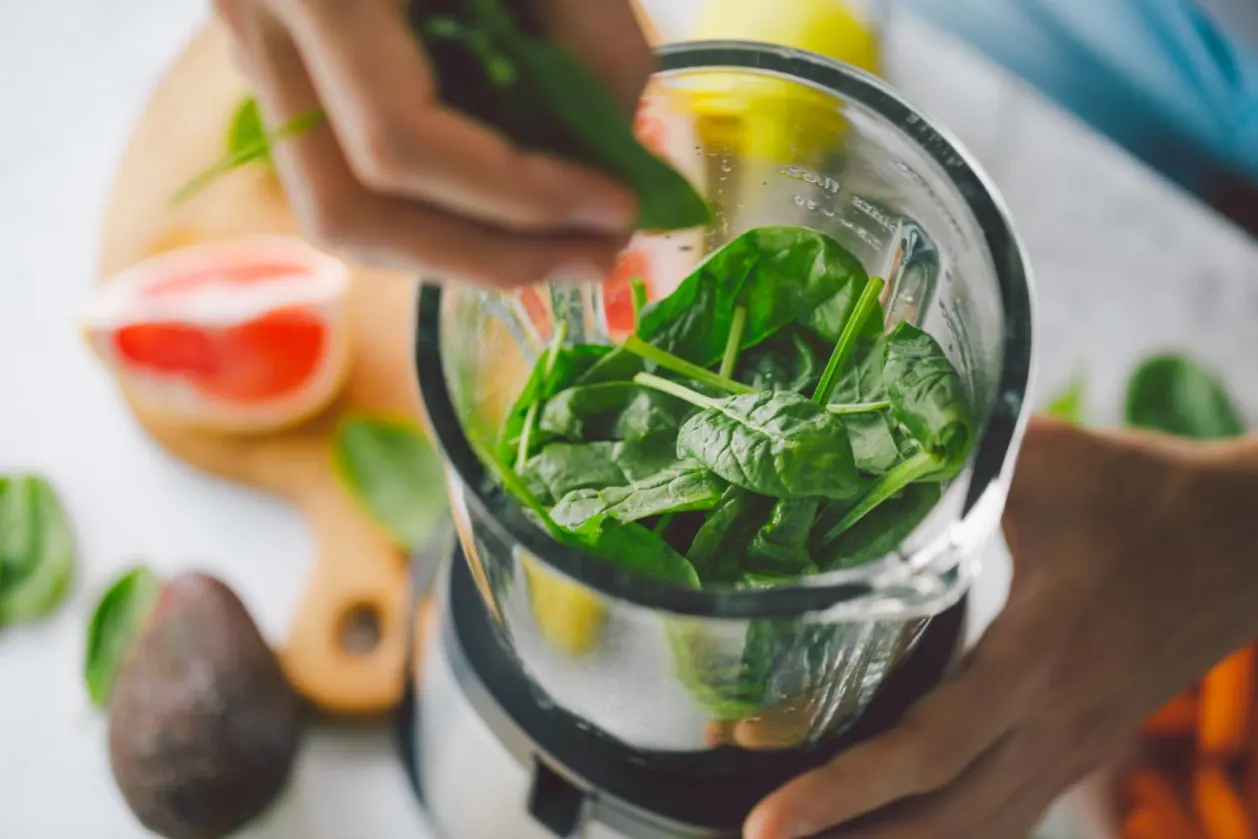
“Detox” gets tossed around casually, but your body already relies on hardworking organs like the lungs, liver, kidneys and colon to do the job. The best thing you can do is support them with healthy habits. These six tips can help you get started.
1. Hydrate With Water
Water helps your kidneys flush out waste and keeps your body temperature steady. Aim for at least two quarts a day, and drink more in hot weather or after a workout.
2. Exercise Regularly
Exercise boosts circulation and supports your immune system. Power walks and yoga both count, and consistency matters more than intensity.
3. Eat Healthy Foods
Fill your plate with whole grains and fresh fruit, along with fiber-rich prebiotics and antioxidant-packed vegetables. Cut back on alcohol and processed food, which give your liver extra work.
4. Get Enough Sleep
Your brain clears out waste while you sleep, so a short night leaves that work unfinished. Stick to a consistent schedule and aim for seven to eight hours each night.
5. Limit Your Exposure to Toxins
Fewer chemicals coming in means less work for your liver. Check labels before you buy, and favor products with shorter ingredient lists.
6. Join a Wellness Retreat
A wellness retreat puts nourishing meals on your plate and movement on your daily schedule, so healthy choices take no effort at all. Many detox-focused retreats also offer meditation, and a few days of that rhythm can make the habits easier to keep once you’re home.
How to Full-Body Detox Safely

A detox built on whole foods, plenty of water, exercise and sleep is safe for most healthy adults. Extreme approaches are a different story. Juice fasts and colon cleanses can cause side effects, and some detox supplements make claims they can’t back up.
Talk with your doctor before trying any cleanse. For a natural way to recharge, a wellness retreat lets you eat well and rest deeply in a supportive setting.
Clearing Up Full-Body Detox Myths
Do detox diets actually remove toxins?
Little evidence shows that detox diets remove toxins, since your liver and kidneys already do that work. Many still feel better on a detox because it means cutting back on processed food and alcohol, and those benefits come from healthier habits you can keep year-round.
Who should avoid a detox or cleanse?
Anyone pregnant or breastfeeding, has diabetes or another chronic condition, or takes regular medication should check with a doctor first. UPMC notes that detoxes can be especially dangerous for the elderly, young children, and women who are pregnant or breastfeeding.
*This post is not intended to be a substitute for professional advice, diagnosis or treatment. Always seek the advice of a health professional or other qualified health provider with any questions you may have regarding your condition.


