
Last updated November 2, 2026
Snapshot
- The mental wellness benefits of travel include a fresh perspective and a break from draining routines, both of which can ease stress and lift your mood.
- A new place shakes you out of familiar thought patterns, and meeting locals and seeing other ways of living can shift how you see your own life.
- Changing your surroundings, whether through a one-week vacation or a few weeks of remote work, can reveal whether your environment or your mindset needs attention.
- Travel slows the pace of daily life, and that unhurried rhythm makes room for reflection.
- As an act of self-care, a trip can combine fresh air and better sleep with a break from stress, and even a staycation counts.
- Travel isn’t a cure for depression or anxiety, but it can be a powerful complement to ongoing mental health care.
We know from scientific research (and, of course, first-hand experience) that the mental wellness benefits of travel are nothing short of impressive. But did you know that travel is also an amazing avenue for healing?
My personal journey with mental health started when I was 16 years old. I was struggling with health issues that led to depression and eventually anxiety.
I can remember feeling like I would bear the weight of these mental health issues for the rest of my life.
Fast forward to my college years when I stepped out of my comfort zone and attended not only a retreat, but a study abroad program in Europe as well.
Whether it was traveling one hour from home for that retreat or crossing the ocean for a semester, both these travel adventures were the defining moments when I realized how much of a positive impact travel would have on my mental wellness.
And from that point on, my mind and heart opened to the mental wellness benefits of travel. And this is what I learned.
1. Travel Offers Perspective

I didn’t expect travel to fundamentally shift my perspective. Yet it did. The change of scenery shook me out of my headspace. Those two trips taught me how travel could be a great tool for healing.
For those who don’t understand depression and anxiety, one of my biggest challenges is that I am often consumed with thoughts and worries.
This is a hard space to climb out of, especially when your mind is fighting you so hard from feeling at peace. In my experience, it took the physical action of changing my perspective to also open up to a mental change in perspective.
Travel forces us to shake up our daily routine, and whether we realize it or not, the ingrained behaviors and mindsets associated with that routine.
When we remove ourselves from that vicious cycle, we give ourselves a chance to see life from an alternative perspective. Travel allows us to meet people, experience cultures different from our own and get a glimpse of other ways of living.
2. Travel Shakes Up Your Environment

Now don’t get me wrong, jumping on a plane doesn’t mean your problems won’t follow you. It can, however, offer hope and a fresh outlook on a situation.
I remember reading in Psychology Today how a change of location can help you change for the better. That’s when it hit me: if I want to improve my mental health, I have to stop doing the same thing every day and expect a different result.
An easy way to see how your environment is actually impacting your mental wellness is to travel. If you have the ability to take a one-week vacation—or even better, work remotely for a few weeks—you may discover that your environment was prohibiting you from becoming the best version of yourself.
By changing your environment, you can determine if it is your mindset that needs work or your surroundings that no longer serve you.
3. Travel Is a Powerful Tool for Reflection

A major issue most of us face is living in a fast-paced culture that, let’s just say, is disconnected.
Travel forces us to slow down. We take the time to enjoy meals, we more readily talk to strangers and we wake up excited for the adventures that the day holds.
And for this reason, most people are a better version of themselves on vacation. Or maybe they are just a truer version because they get to be themselves without obligations or worries.
Travel gives you permission to just “be.” Travel may not be a long-term solution, but it can give you time to reflect and evaluate your life.
4. Travel Is an Act of Self-Care

When people think of improving their mental wellness, the discussion usually revolves around healthy eating, getting better sleep, going to therapy and getting fresh air.
The beauty of travel, though, is that it is a holistic experience that can encompass all those healing tools at once.
Culturally, many Americans in particular view vacations as something to be earned, as opposed to something your mind, body and spirit deserve.
Travel is a way to detox from stress, learn something new and reconnect with yourself. Which in my opinion are things we all should strive to do regularly if we want to live long and happy lives.
Seek Out the Mental Wellness Benefits of Travel
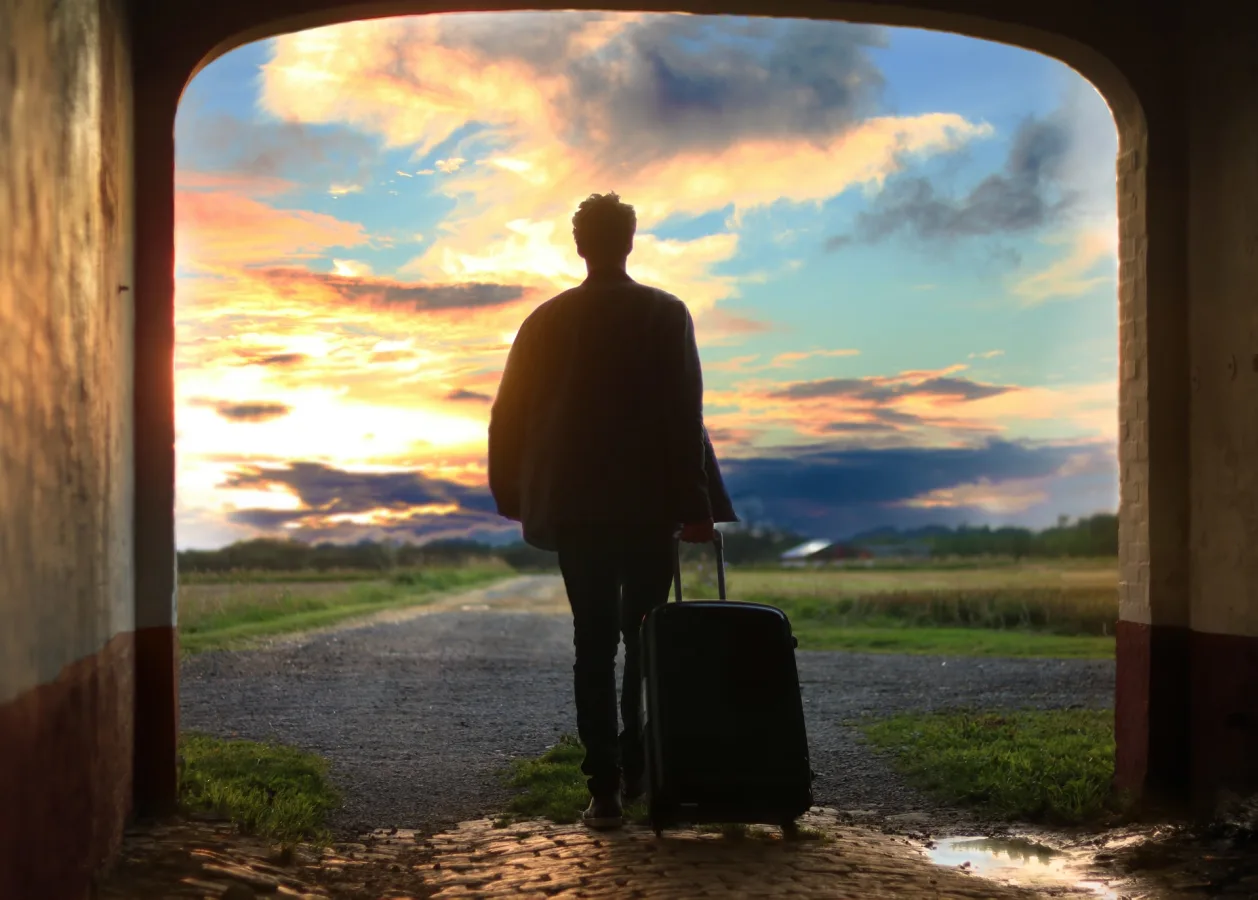
I didn’t know how much of an impact travel would have on my mental wellness until I ventured out alone in college. I clearly didn’t know the transformative potential it holds. Nor did I know how life changing it can be.
Travel is by no means a cure-all—it is, to say the least, a profound tool.
So don’t wait to take that life-changing trip because you think it’s the wrong time. Your next vacation could be as simple as a staycation. The goal is to seek out the mental wellness benefits of travel… to break up the monotony of your routine and push yourself outside of your comfort zone.
Making Travel Work for Your Mind
Can travel help with anxiety or depression?
Travel can ease stress and lift your mood, and a change of scenery may help break cycles of worry. Travel isn’t a substitute for treatment, though. If you’re living with anxiety or depression, a trip works best alongside care from a mental health professional, and a little planning keeps travel stress in check.
How long should a vacation be for mental health benefits?
Research hasn’t pinned down a perfect vacation length, but it offers a useful clue. In a Dutch study of employees on three-week vacations, health and well-being peaked around day eight and faded within a week of returning to work. That makes a strong case for taking time off regularly, since frequent breaks keep the benefits coming.
This column is not intended to be a substitute for professional advice, diagnosis or treatment. Always seek the advice of your mental health professional or other qualified health provider with any questions you may have regarding your condition.


