
Last updated October 23, 2026
Snapshot
- Cold plunging is a form of cold-water therapy built around short dips in water at or below about 59°F, and the main benefits of cold plunging include lower stress in the hours after a dip and better sleep.
- Nimmo Bay Resort in British Columbia and Mohonk Mountain House in New York trade the tub for open water, with Pacific dips between floating-sauna sessions at Nimmo Bay and a seasonal lakeside plunge in Lake Mohonk.
- CIVANA Wellness Resort & Spa in Carefree, Arizona, and Alyeska Nordic Spa in Girdwood, Alaska, turn cold plunging into a contrast-therapy circuit, so guests move between hot and cold water and rest in between.
- First-timers who want coaching can head to The Lodge at Blue Sky in Wanship, Utah, where a Wim Hof-accredited guide works through breathwork before a dip in creek-fed tubs kept around 40°F.
- Across the Atlantic, Allas Sea Pool in Helsinki, Kastrup Sea Bath near Copenhagen, Kallbadhuset Varberg in Sweden and Hvammsvik Hot Springs in Iceland put travelers in Nordic countries where cold plunging is an everyday habit.
Brrrr. Cold plunging is having a moment. But is it worth the hype? We dive into the science to uncover the benefits of cold plunging. Plus, we share some top destinations worldwide for those who are cold-plunge curious.
Cold plunging is a type of hydrotherapy where you submerge yourself in cold water at around 50°F (10°C) or lower for 30 seconds to a max of 10 to 15 minutes. This practice can be done anywhere, from jumping into an icy lake or hopping into an ice bath.
Despite extensive research, the scientific benefits of cold plunging remain somewhat speculative. However, studies suggest that a quick dip in cold water can boost your immune system and improve your stress response. It may also enhance circulation and reduce inflammation.
And thanks to its massive popularity, many resorts worldwide are now adding cold-water wellness to their hydrotherapy circuits.
The Practice of Hydrotherapy
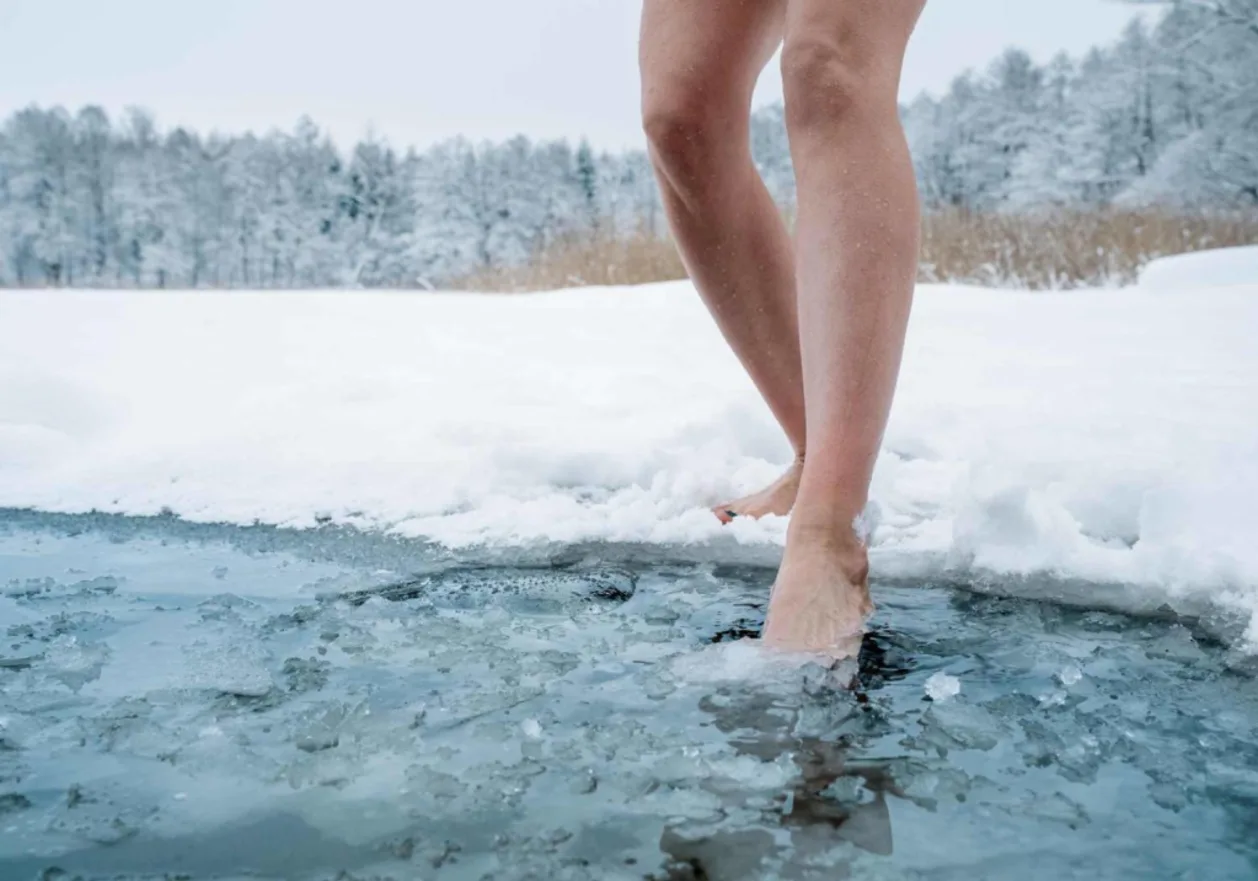
Hydrotherapy dates back as far as ancient Egyptian, Greek and Roman times. With this in mind, modern hydrotherapy traces its origins to the 19th century, with the work of Vincent Priessnitz, an Austrian farmer, and Sebastian Kneipp, a Bavarian priest.
Hydrotherapy provides natural pain relief and can help you unwind after a busy day at work. Water-based therapy is easy to practice, too, as simply submerging in water can be a powerful tonic for your body. Other benefits of hydrotherapy include:
- Physical: Reduces daily muscle soreness, improves pain management, increases circulation and faster recovery after a workout.
- Mental: Balances your autonomic nervous system, which leads to reduced stress, improved anxiety management and better sleep quality.
Opting for chilly water can be particularly beneficial if you lead an active lifestyle. Cold plunging helps reduce muscle damage after an intense workout, likely due to the rapid constriction of blood vessels, which decreases metabolic activity and alters hormone production.
Be aware that hydrotherapy and cold plunging carry risks. Experts advise against staying in the water longer than you can tolerate and recommend always having someone with you when getting into an icy bath or lake. Without proper precautions, cold plunging can even result in frostbite and hypothermia.
Benefits of Cold Plunging
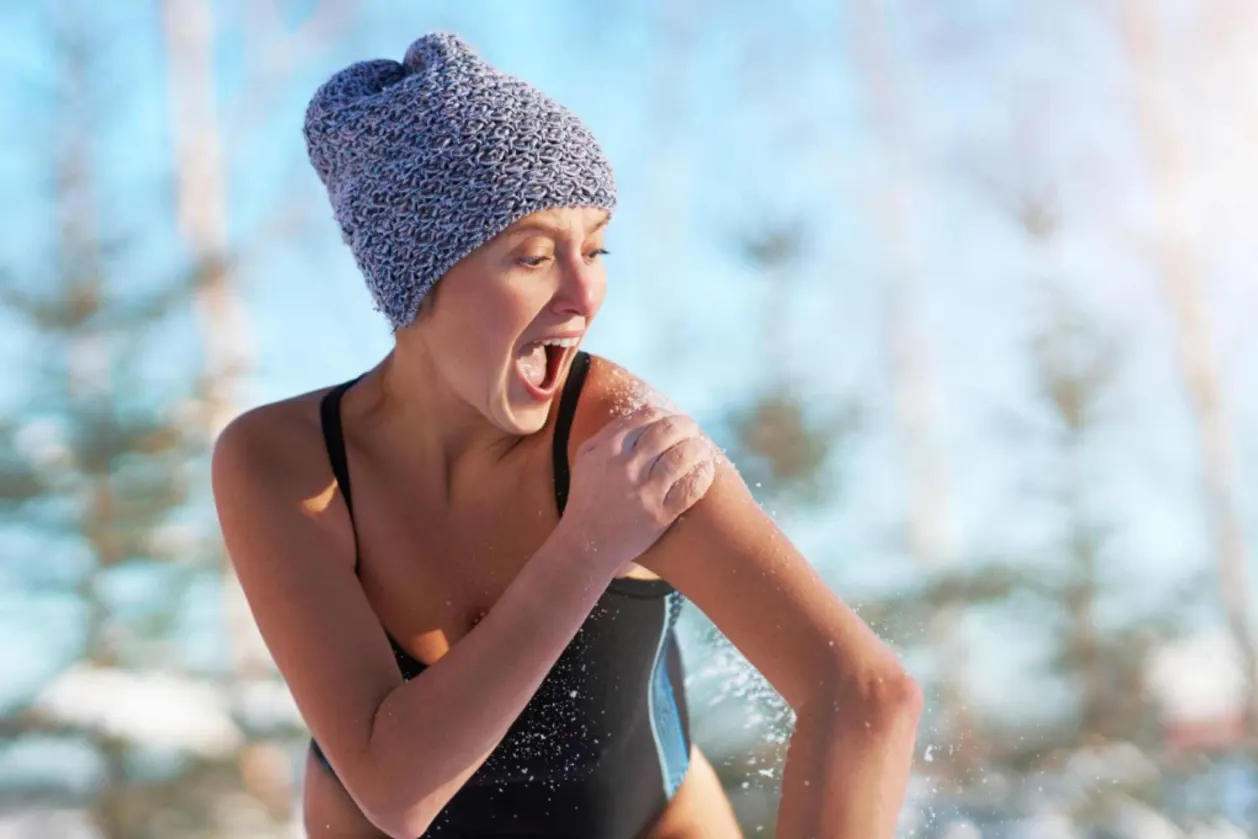
Stress reduction is one of the most frequently cited benefits of cold plunging. Recent IPSOS data reveals that 56% of U.S. adults say stress impacts their daily lives; while 52% report feeling overwhelmed by it. Unchecked, this stress undoubtedly can lead to long-term conditions such as anxiety and depression.
Cold plunging can help manage your stress and anxiety. When you dip in colder-than-comfortable waters, you quickly reconnect with your senses and bring yourself to the present moment. This sensory experience is crucial for calming disruptive thoughts and finding peace of mind.
That said, if you suspect you have anxiety or experience panic attacks, it is important to seek professional help. Medical professionals can provide treatment plans that often involve medication to help manage your symptoms while addressing the underlying cause of your stress.
Where to Cold Plunge

If a few days of cold-water therapy sounds appealing, consider these destinations in North America:
A cold-plunge-themed wellness vacation is an excellent way to tackle life’s stressors and regain control over your thoughts, feelings and emotions. If spending a few days experiencing cold-water therapy sounds appealing, consider these resorts in North America:
- Nimmo Bay Resort — British Columbia, Canada. A boat drops you at a floating cedar sauna, and the Pacific itself serves as the cold plunge.
- Alyeska Nordic Spa — Girdwood, Alaska. Follow their ancient Nordic mantra of hot, cold, rest and repeat.
- The Lodge at Blue Sky — Wanship, Utah. A Wim Hof-accredited guide coaches you through breathwork, then into spring-fed creek water hovering around 40 degrees.
- Mohonk Mountain House — New Paltz, New York. Plunge into peace with a seasonal lakeside immersion in Lake Mohonk.
- CIVANA Wellness Resort & Spa — Carefree, Arizona. Journey through the aqua therapy circuit, a contrast therapy loop of hot and cold wading pools finished under a pull-cord cold-deluge shower.
If you’re willing to travel across the pond, consider going overseas for more traditional cold plunging. Bucket-list destinations for cold-plunge enthusiasts include:
- Hvammsvik Hot Springs, Iceland
- Kastrup Sea Bath, Denmark
- Allas Sea Pool, Finland
- Kallbadhuset Varberg, Sweden
These destinations are renowned for their cold-plunging pedigree and will help you enjoy the benefits of hydrotherapy. Residents of these countries have been cold plunging for generations, too, meaning you’ll find plenty of expert advice on hand if it’s your first time relaxing in colder water.
Before You Take the Plunge
How long should you stay in a cold plunge?
Most beginners start with 30 seconds to a minute and work up to two or three minutes. Spas with contrast circuits usually suggest a minute or two in the cold after 15 to 20 minutes of heat. Early sessions mostly teach you to steady your breathing once the cold hits.
How cold should a cold plunge be?
Research generally counts water at or below 59°F as cold enough. Resort plunges vary within that range, from CIVANA’s 50-something wading pool to the creek-fed tubs at The Lodge at Blue Sky, which hover near 40°F. Colder water calls for shorter dips.
Is cold plunging safe for everyone?
Cold water sets off a sharp gasp and a quick jump in heart rate. Anyone with a heart condition or high blood pressure should talk to a doctor before plunging. Go with a guide or a friend and never plunge alone.
Should you cold plunge after a workout?
A plunge can take the edge off next-day soreness after a long hike or a hard run. Strength training is a totally different story, since regular ice baths right after lifting may dull muscle gains over time. Lifters who love the cold can wait a few hours or save the plunge for rest days.


