
Last updated September 13, 2025
Scuba diving, especially for beginners, opens up a world of underwater adventure unlike any other travel experience. The sights, sounds and sensations beneath the ocean’s surface create memories that rival exploring vast forests or desert landscapes—but with an added element of weightless wonder.
Like any new destination, underwater exploration requires knowledge and preparation. Understanding your aquatic surroundings gives you the confidence to embrace this incredible experience while staying safe. Scuba diving for beginners demands respect, education and self-awareness for successful dives.
Guide to Scuba Diving for Beginners
In this comprehensive beginner’s guide to scuba diving, we cover the most important safety tips and techniques. Let’s explore everything you need to know before taking your first breathtaking plunge into the exciting world of underwater exploration.
Tip #1: Your instructor knows best
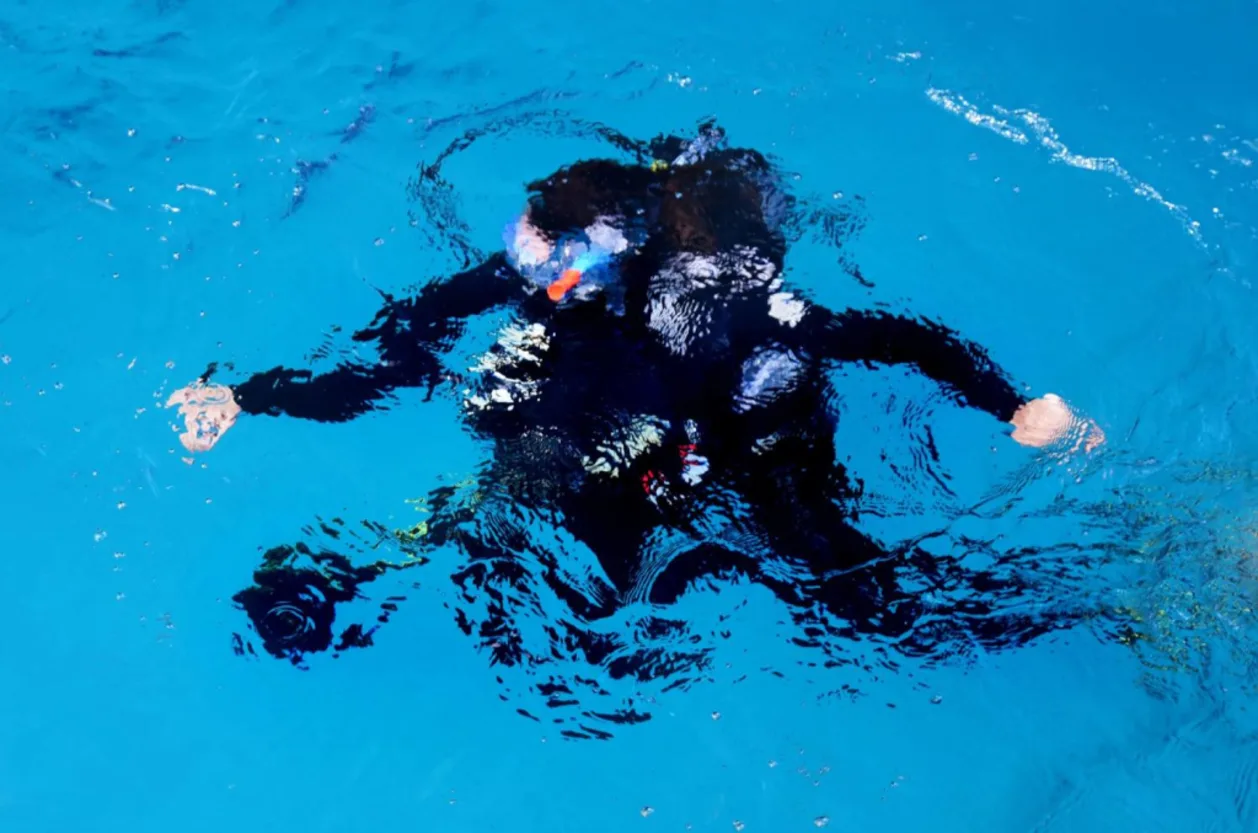
The universal mistake that many new scuba divers make is assuming. A large number of new scuba divers assume that it’s basically just swimming in the deep. After all, it’s easy to get lost in the vastness of the sea’s depths. The open space of the deep blue can feel expansive. Scuba diving almost feels like floating through space.
Your instructor’s suggestions are meant to keep you safe. They are also there to help you make the most of your oceanic exploration. Trust your instructor. Scuba diving instructors have developed their skills through thousands of hours. Most instructors have acquired years of experience working within specific areas. They know what dangers to look for, such as:
- Underwater currents
- Attacks by underwater life
- Failures of equipment
- Physical issues that can happen randomly and suddenly
Instructors are well-trained and equipped to protect you and your greater group. With their tutelage, you can examine and explore to your heart’s content.
Tip #2: Don’t panic; stay calm

Even the most confident and competent swimmers become overwhelmed when scuba diving. The beauty of the ocean, the swirling of fish, the cold water and the burdensome equipment quickly becomes a lot to process. This is primarily because of the limitations in movement.
It’s an adjustment that every first-time scuba diver has to go through, particularly with the focused ear and general pressure upon the body. Like all of the most extraordinary experiences in life, it takes time to acclimate. The same applies to scuba diving.
Your senses won’t feel like they’re in familiar territory because they’re not. It’s an environment that rewards centeredness cultivated beforehand and maintained throughout.
In the event of a dangerous situation, panic does nothing but waste oxygen and energy, two of the most vital elements to conserve during your trip. Most of the time, your group or instructor can quickly resolve the situation and keep you safe. Panicking only limits their options to help.
Tip #3: Rehydrate often
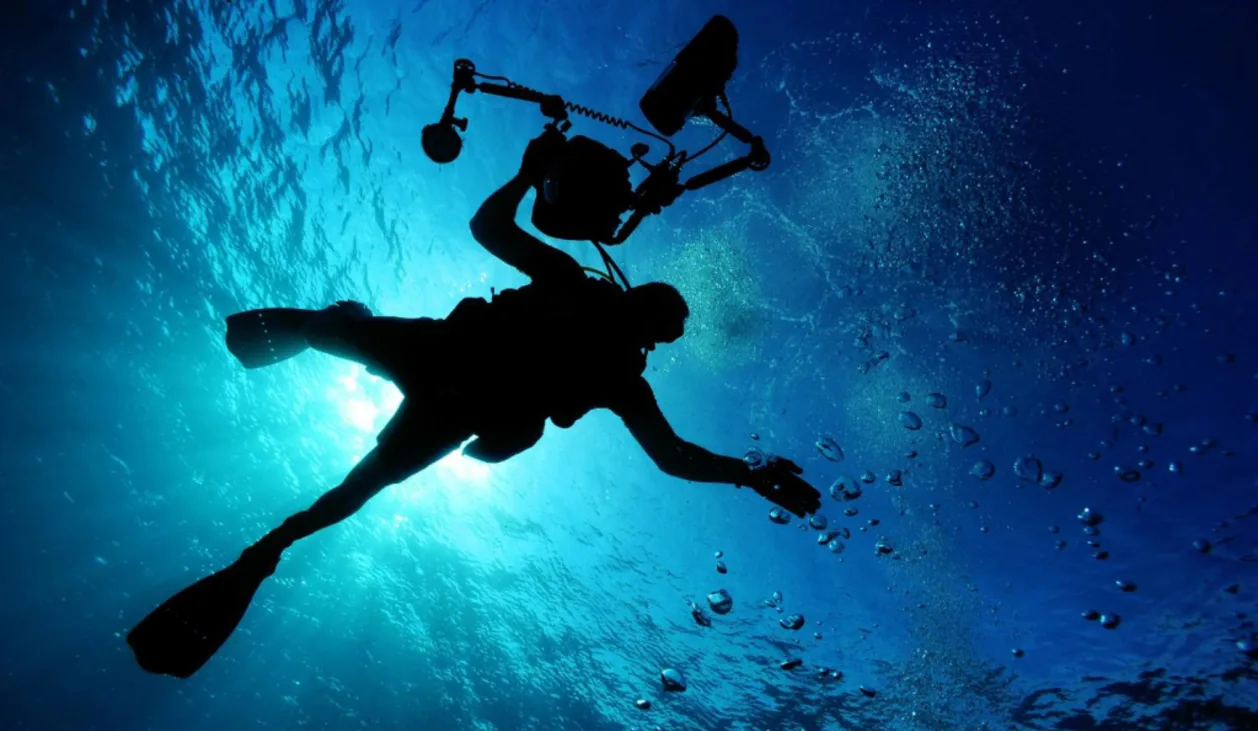
Scuba diving is a sport. Despite being surrounded by water, it’s easy to lose hydration through the strenuous engagement of your body while swimming and holding equipment.
Staying hydrated is reasonably easy as long as done before and after each dive, but there are also options via using “sport” style tops that make it easy to control the release of fluids under controlled pressure. A word of caution, it’s best to practice before doing so underwater.
Tip #4: Maintain proximity to your partner

In the same manner as certain marine life swim in schools, it’s essential to do so with your group. Falling behind or overexploring, no matter how incredible the curiosity is, is an easy way to be all on your own in the event of danger.
Swimming within several meters of your swimming partner is essential for each of you to act quickly in the event of an emergency. Accountability is what empowers divers to build beautiful experiences together and be at ease.
Tip #5: Take your time

The best experiences are best enjoyed slowly. When it comes to scuba diving, taking your time is an essential part of being able to see and experience everything around you. The fullness of above, below, behind, and in front of you is in a constant state of flux.
Your speed is limited regardless, but to protect yourself and the rest of your group, staying with the pack is what will keep you safe. There’s a lot to look at and interact with during your dive, and the ocean is an unpredictable place once submerged, even more so than when on a boat.
Tip #6: Check your scuba diving equipment

This is where things get a bit complex. There is a range of different pieces that make your dive work. The most important aspects are your buoyancy device, compass, breathing apparatus and pressure control mechanism, snorkel, fins and a protective mask.
Each needs to be checked for any issues beforehand, both by you and the instructor. Comfort is essential, and the ability to move as freely as possible can be the difference between an arduous exercise and an exciting journey.
The equipment used depends on the environment and who you are diving with. Generally, the standard equipment is the same. Your priority when diving is your oxygen, first and foremost. If anything goes wrong, it keeps you conscious and gives you more time and peace of mind.
Diving gear: buoyancy device, compass, breathing apparatus and pressure control mechanism, snorkel, fins and a protective mask.
Next, focus on your visibility, followed by your buoyancy device, which lets you rise or sink as needed. Rapid ascent can cause “the bends,” a sickness that occurs when divers surface too quickly. It can be jarring and take time to pass, so stay calm, take your time and ensure your equipment is in order before diving.
Tip #7: Stay safe

Beyond the basic safety tips in this guide for beginners, scuba diving opens a world few ever see—and even fewer can truly capture, whether in words or images. The swirl of life, color and quiet wonder is what makes it one of the most beloved activities worldwide, across all cultures.
Keep these tips in mind, and your first dive can be both safe and unforgettable!
Snapshot Summary
This guide to scuba diving for beginners covers essential tips for safe underwater exploration. Key advice includes trusting your instructor’s expertise, staying calm to conserve oxygen, maintaining hydration and swimming close to your dive partner. Proper equipment checks are crucial—prioritize your breathing apparatus, visibility mask and buoyancy device. Take time to acclimate and move slowly underwater to avoid “the bends” from rapid ascension. Following this guide to scuba diving helps beginners safely experience the incredible underwater world with confidence and proper preparation.
About Vacayou
At Vacayou [pronounced VACAY – YOU], we believe that travel has the power to change lives. The power to revive, rejuvenate and redirect your inner wellness warrior. And that’s why we’re here. Vacayou brings the world of wellness travel to you!
No matter how far or how adventurous, our team scours the globe to curate the best in wellness travel. However, the booking process can often be time-consuming and complicated. We’ve simplified your search for wellness and active vacations with Vacayou’s Instant Book, so your dream wellness getaway is now just one click away.
Start the trip of your lifetime today with Vacayou. We are here to help create a healthier global community through wellness and active travel.
To keep up with the latest wellness trends and experiences, be sure to subscribe to our newsletter.


