
Last updated October 9, 2026
Snapshot
- Meditation visualization combines meditation with mental imagery, giving the mind a specific scene or image to hold so it stays present and ignores distractions.
- Visualizing a favorable outcome promotes positive emotions and relaxation, which can amplify the stress-easing effects of meditation, and it strengthens the mind-body link the way athletes use it to rehearse a goal.
- Goal visualization asks you to imagine succeeding in vivid detail, from loved ones’ smiles to a coach’s hug, because picturing the win builds confidence and motivation.
- Guided imagery centers on a calm place, real or imagined, such as a quiet beach or a Japanese zen garden, and draws on all five senses as each exhale releases stress and worry.
- Compassion meditation and color breathing add an emotional layer, with compassion meditation sending peace and kindness through golden light to yourself or someone who hurt you, and color breathing assigning a bright color to a positive feeling you breathe in as unwanted emotions leave on the exhale.
- Progressive muscle relaxation helps after a draining day, as you tense and release one muscle group at a time while imagining the tightness leaving your body.
Meditation and visualization are two forms of mindfulness activities that offer various benefits. Why do some people choose to combine both in practice?
There are some positive outcomes that meditation or visualization alone can’t achieve — marrying the two provides more merits. Find out ways for effective self-exploration below!
Benefits of Meditation Visualization
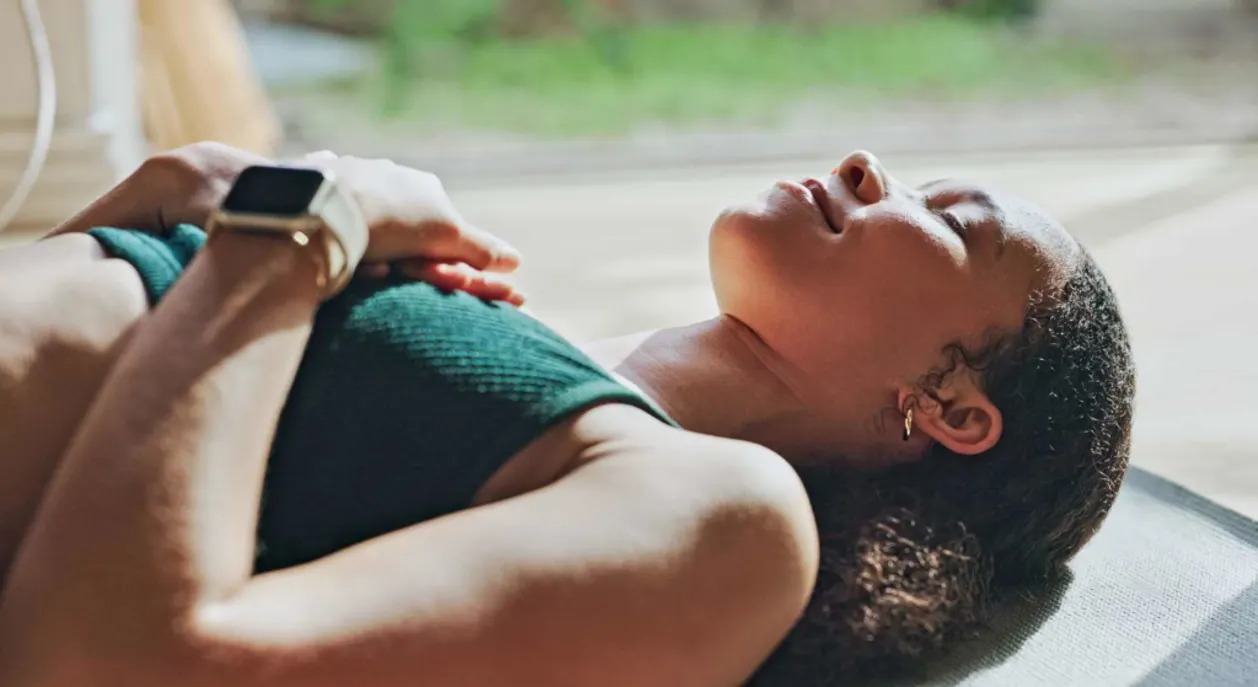
Before getting to the meat of the topic, here are the upsides when you couple visualization techniques with meditation:
- Boost focus and concentration: Visualization anchors your mind on a specific thing during meditation. By giving the mind a scenario or image to zero in, you can train it to be present and ignore distractions.
- Promotes better mental health: Visualizing a favorable outcome or scenario promotes positive emotions and relaxation, which can magnify the effect of meditation. Both are mindfulness-based approaches that can reduce stress and anxiety, and one 2022 trial found a mindfulness-based stress reduction course worked about as well as a common anxiety medication.
- Strengthens mind-body connection: Sports coaches use visualization to direct athletes’ thoughts on a particular goal, such as winning the Olympics. Focusing on an image of receiving that gold medal invokes bodily sensations and emotions that reinforce the mind-body link, orienting the practitioner of what it feels like once the goal is achieved. This fuels their determination to achieve their goals.
Meditation visualization is helpful, like other types of mindfulness activities. If you have a goal you want to achieve, this technique may be more effective.
Strategies to Practice Meditation Visualization

How do you practice meditation visualization that gives results? Here are five of the best ways to do it.
1. Goal Visualization
Brain imaging studies suggest that vividly imagined scenes activate some of the same regions as real ones. That overlap is why a rehearsed scene can feel surprisingly lifelike. Sports coaches lean on that overlap and use goal visualization to help athletes mentally rehearse a win. A screenplay of crossing the finish line brings up positive feelings and boosts your confidence in making it real.
During meditation, imagine yourself succeeding at your goal — your loved ones wearing big smiles congratulating you and the coach hugging you. Include specific details in the thought to make it more vivid. The goal is to make the scene feel as real as possible.
2. Guided Imagery
While similar to the first strategy, guided imagery is not goal-oriented. Instead, it centers on your ideal place — real or imagined — that makes you feel calm and peaceful, like a quiet white sand beach or a stunning Japanese zen garden with a koi pond.
Whatever it is you call a happy place is the best mental subject. During practice, engage your five senses with your eyes closed. Feel what it’s like to be in your happy place. What do you hear? How does the air feel on your skin? What’s the weather like?
As you go deep into the meditation, feel the calmness and peace in your being. Each time you exhale, imagine the stress, worries, anxiety and fatigue leaving your body. You’ll feel invigorated after the practice.
3. Compassion Meditation
Clear from the name itself, this form of meditation promotes feelings of compassion for yourself and others. Practicing it can help if you lack self-confidence or are dealing with negative emotions toward someone because they hurt you.
How do you do it? On your mat and in a comfortable seated pose, imagine yourself or the person you don’t like. Hold their image in your mind while thinking of the painful experiences they might be going through. Then, focus on sending them peace, joy, healing and happiness through a golden light coming from your heart.
Imagine this beautiful hue enveloping them as you recite mantras like “May you find peace and happiness.” You’ll notice feelings of compassion and kindness engulf your being after the practice.

4. Progressive Muscle Relaxation
This technique helps to settle into a positive emotion and lift your mood. It soothes tight muscles and relieves tension to recharge your physical and mental batteries.
To start, lie on your back on a comfortable surface, like a bed or a yoga mat. It would help to recognize tight muscles because they’re your visual targets.
Do this exercise first — tense and then relax unproblematic muscles to differentiate between tight and OK areas. Next, pick a group of muscles, such as your neck and shoulders. Apply pressure as if straining them as you inhale, hold for a few seconds, then release and ease as you exhale.
As you do this, imagine the tightness leaving your body as you gradually surrender to the ground. Repeat and continue slowly with other muscle groups. Expect to feel more relaxed at the end of the practice.
5. Color Breathing
This technique is useful if you want to embody a positive emotion and increase your vibration level. What makes this engaging and creative is the integration of color.
Sit in a comfortable position with your eyes closed. Think of an optimistic feeling you want to fill your being with — like gratitude or kindness — and assign a color to it. You can select whatever you want, and a color that feels positive to you works best. Many people link bright hues like blue and purple with positive emotions, though associations vary from person to person.
As you breathe in, imagine the color washing over your entire body as if pouring a can of paint from head to toe as you hold the representation of this shade in your mind. While doing this, visualize the unwanted emotions leaving your body with each exhale as your desired color replaces them in every inhale. Continue until the imagined emotion feels real, then open your eyes and let that calm stay with you through the day.


