Snapshot
- Soak for sleep. A warm bath one to two hours before bed can help you fall asleep faster and improve overall sleep quality, thanks to the body's natural cool-down response afterward.
- Keep sessions short and steady. Ten to twenty minutes, two to four times a week, is enough to notice real shifts in stress, recovery and rest.
- Low lighting and twenty quiet minutes deliver many of the same benefits associated with thermal springs and hammams.
- Try contrast therapy at home. Ending a warm shower with 30 to 60 seconds of cool water can support circulation and post-workout recovery without elaborate setup.
- Mind the heat. Keep water at or below 104°F, stay hydrated and check with a healthcare professional if you are pregnant, managing a cardiovascular condition or sensitive to heat.
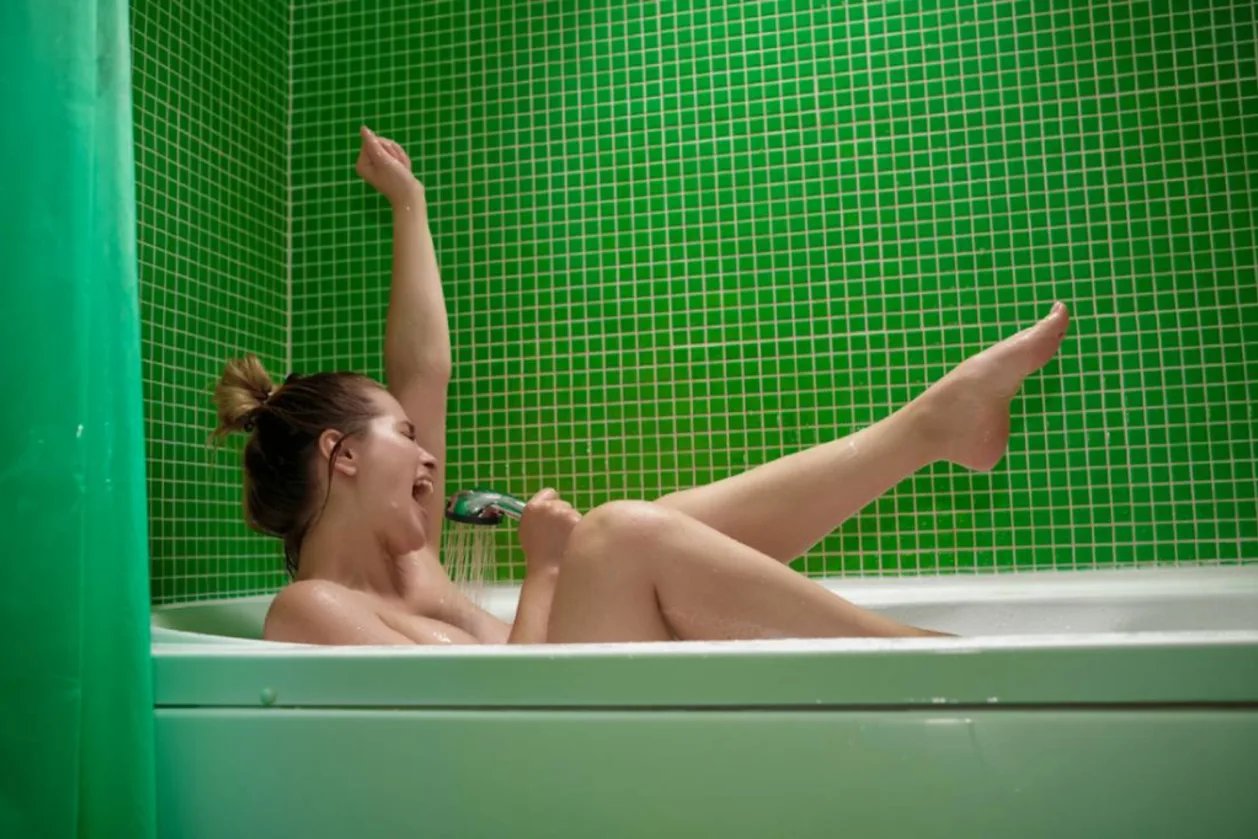
For centuries, cultures around the world have turned to water for recovery, rest and ritual. Now, research increasingly supports what spa traditions have long understood. Warm water immersion may improve sleep, ease muscular tension, support recovery and encourage a calmer state of mind when practiced consistently. Those benefits are the reason more people are exploring hydrotherapy at home. No spa reservation required.
If you have ever returned from a thermal spring, a hammam or a long soak at a favorite spa and wished you could bottle that feeling, you are not alone.
Part of the experience is sensory. The warmth on the skin, the stillness after steam, the way the body softens when water does some of the work for you. Water creates a rare pause between effort and recovery, which explains why these bathing rituals feel restorative even in their simplest forms.
At home, that practice does not need to be elaborate to feel meaningful. A bathtub, a hot shower or even a brief evening soak outdoors in a hot tub can offer many of the same benefits as hydrotherapy traditions around the world.
In one study, adults who took short immersion baths in warm water reported better scores for fatigue, stress, pain and mental health compared with a showering period alone. Small, repeatable water rituals can do more than they get credit for.
Soft Exhale Effect
A hot soak not only changes how the body feels but also the mood of the room around it. A long bath after a demanding day can feel like a soft exhale.
Research points to measurable reasons for that sensation. Several studies on hot water immersion reported reductions in anxiety and salivary cortisol alongside positive cardiovascular responses, supporting the idea that heat-based routines can help the nervous system settle into a calmer rhythm.
Hydrotherapy is especially effective because it combines several restorative elements at once: warmth, buoyancy, reduced sensory input, and uninterrupted time away from screens and stimulation.
Even a 10- to 20-minute soak can create a noticeable shift in how the body carries tension. Unlike many wellness trends, the habit itself is remarkably accessible. You do not need a luxury retreat to recreate the atmosphere. Sometimes soft lighting and twenty quiet minutes are enough.

The Pre-Sleep Soak
Sleep may be the most compelling reason to explore hydrotherapy at home. According to findings published in Sleep Medicine Reviews, a warm bath or shower taken about one to two hours before bed can help people fall asleep faster and improve overall sleep quality.
Warm water gently raises body temperature, and the cooling process appears to support the body’s natural readiness for sleep. Rather than forcing rest, it cues it.
This is why a pre-sleep soak feels so aligned with the spa cultures travelers remember most. Think of the quiet order of an onsen, the hush of a thermal circuit tucked into the hills or the stillness of a candlelit hotel bath after a long day of walking. Their power does not come from excess. It comes from sequence, ambience and permission to slow down without apology.
A consistent bedtime bathing routine can be surprisingly easy to build. The goal is not optimization; it’s transition.
- Keep water comfortably warm rather than excessively hot
- Aim for 10 to 20 minutes
- Use the bath about one to two hours before bed
- Lower the lighting and reduce the noise afterward
- Let the post-bath cooling period happen naturally
Warm Water, Sore Muscles
Recovery is another area where hydrotherapy shows growing promise. Heat promotes vasodilation and improved blood flow, both of which help muscles bounce back after exercise and reduce feelings of stiffness.
Heat is also getting a second look in recovery research. A PLOS One meta-analysis found that contrast water therapy improved muscle soreness and reduced strength loss compared with rest alone. Additional studies suggest hot water immersion helps muscles regain strength more effectively than cold water immersion after exercise-induced damage.
The practical takeaway should stay measured rather than miraculous. Hydrotherapy is supportive care, not a cure-all. But for many people, a hot soak can leave you feeling noticeably better after physically demanding days, long walks, workouts or periods of stress.

Three Ways to Hydrotherapy at Home
The hydrotherapy setup that works best is usually the one you will actually stick with.
Traditional Soaking Tub
If you already have a bathtub, you already have access to the most accessible version of hydrotherapy. A nightly soak is often the easiest path toward better sleep support and stress relief, with minimal setup or maintenance.
Inflatable Portable Spa
For readers who want a deeper soak and a more spa-like vibe, portable inflatable spas can bring the experience outdoors. They create a stronger sense of separation from daily routine while remaining more affordable and flexible than permanent installations.
Proper maintenance, water testing and weather considerations matter, but the payoff is a practice that feels transportive even in a small backyard or patio space.
Hot & Cold at Home
Contrast therapy alternates warm and cool exposure to support circulation and recovery. At home, this can be as basic as ending a warm shower with 30 to 60 seconds of cool water. There is no need to force extreme temperatures or elaborate protocols to feel the difference.
Soak With Care
Hydrotherapy should leave you feeling steadier, not depleted. The safest approach is usually the simplest one. Public health guidance recommends keeping hot tubs at or below 104°F, limiting sessions to manageable lengths, staying hydrated and cooling down between rounds if you continue soaking.
People who are pregnant, prone to fainting, managing cardiovascular conditions or taking medications that affect heat tolerance should speak with a healthcare professional before making heat-based routines a regular habit.
For most people, two to four sessions a week is enough to notice a meaningful difference, especially when the practice is tied to a clear purpose such as:
- Better sleep
- Stress reduction
- Post-workout recovery
- A slower weekend reset
About Vacayou
At Vacayou [pronounced VACAY – YOU], we believe that travel has the power to change lives. The power to revive, rejuvenate and redirect your inner wellness warrior. And that’s why we’re here. Vacayou brings the world of wellness travel to you!
No matter how far or how adventurous, our team scours the globe to curate the best in wellness travel. However, the booking process can often be time-consuming and complicated. We’ve simplified your search for wellness and active vacations with Vacayou’s Instant Book, so your dream wellness getaway is now just one click away.
Start the trip of your lifetime today with Vacayou. We are here to help create a healthier global community through wellness and active travel.
To keep up with the latest wellness trends and experiences, be sure to subscribe to our newsletter.


